
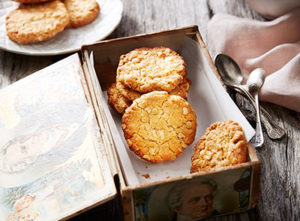
 Anzac Biscuits
 Traditional Chocolate Chip Cookies
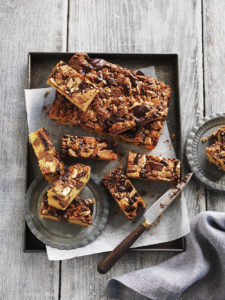 Chewy Triple Chocolate Slice
Recipes
Traditional Classic Scones
Light, fluffy and golden on top, these classic scones are a timeless favourite. Made with Fairy margarine and simple pantry staples, they come together quickly for the perfect morning or afternoon treat. Serve warm with jam and cream for a traditional homemade bake everyone will enjoy.

30 minutes
12 mins
approx. 12
Ingredients
- 40 g (2 tablespoons) Fairy margarine
- 250 g (2 cups) self-raising flour
- ½ teaspoon salt
- 185 ml (¾ cup) milk and extra milk for glazing
Method
- Cut Fairy into 1 cm (½ inch) cubes.
- Sift flour and salt into a mixing bowl. Add Fairy and rub in with the finger tips until it resembles fine breadcrumbs.
- Pour in milk, mix with a round bladed knife until mixture forms a soft dough. (Alternatively, this mixture may be mixed in a food processor.) Knead lightly on a floured board until dough forms a smooth ball.
- Roll out dough to approximately 2½ cm (1 inch) thick. Cut into rounds using a 6 cm (2½ inch) scone cutter.
- Place scones close to each other on a scone slide, previously brushed with melted Fairy. Glaze with milk.
- Bake towards the top of a very hot oven at 230°C (450°F) for 10-12 minutes or until golden brown.
- Cool on a wire cooling tray. Serve with jam and cream. Makes approximately 12.
VARIATIONS:
- Currant Scones: Mix in 4 cup currants, 1 tablespoon mixed peel and 1 tablespoon sugar before adding the milk.
- Sultana Scones: Mix in ½ cup sultanas and 1 tablespoon brown sugar before adding the milk.
- Date Scones: Mix in ½ cup chopped dates, 1 tablespoon sugar and the grated rind of 1 lemon before adding the milk.
- Fruit Scones: Mix in ½ cup dried mixed fruit, 1 tablespoon brown sugar and ½ teaspoon cinnamon before adding the milk.
FREQUENTLY ASKED QUESTIONS
- Why should I use Fairy margarine instead of butter?
Fairy margarine helps create a lighter texture and softer crumb, which is ideal for traditional scones. - Why do scones need a very hot oven?
A hot oven allows the scones to rise quickly before the outer crust sets. This rapid lift creates a soft, fluffy interior and a lightly golden top. - What makes scones tough instead of fluffy?
Over mixing or over kneading the dough develops too much gluten, which results in dense, chewy scones. Handle the dough gently and stop mixing as soon as it comes together. - How should I store leftover scones?
Store cooled scones in an airtight container at room temperature for up to two days. For best results, warm slightly before serving to restore softness. - Can I freeze the dough or baked scones?
Yes. You can freeze unbaked rounds and bake from frozen, adding a few extra minutes to the baking time. Baked scones can also be frozen for up to three months and reheated when needed. - Why are my scones not rising evenly?
Twisting the cutter when shaping can seal the edges and prevent an even rise. Press straight down and lift cleanly for better height.
PRO TIPS FOR MAKING THIS RECIPE
- Keep your ingredients cold
Cold Fairy margarine helps create steam pockets during baking, which gives the scones a lighter texture and better rise. - Handle the dough gently
Mix only until combined and knead lightly. The less you handle the dough, the softer your scones will be. - Do not twist the cutter
Press the cutter straight down and lift it cleanly. Twisting seals the edges and can prevent the scones from rising properly. - Place scones close together on the tray
Positioning them close helps support each other as they rise, resulting in taller, softer scones. - Bake on the top shelf of the oven
Placing the tray towards the top ensures strong top heat, which encourages a good rise and golden finish. - Serve warm
Scones are best enjoyed fresh and slightly warm with jam and cream for the classic homemade experience.
For more recipes see our recipe books
'